Exploring the Best Pizza Place Cheyenne Has to Offer
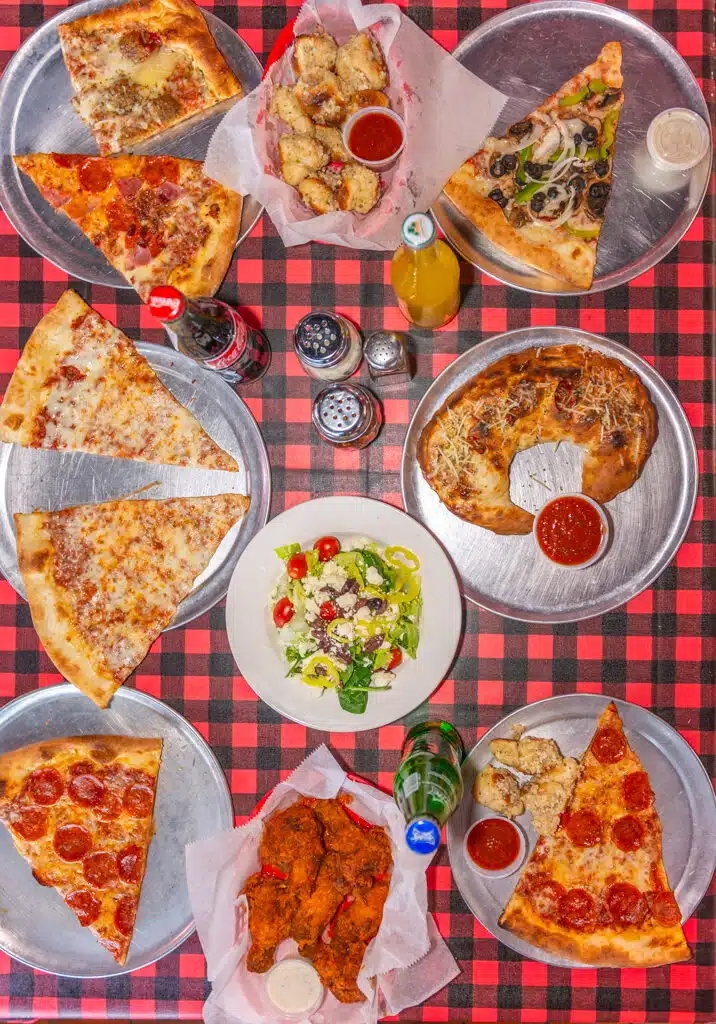
Cheyenne does not try to be New York, Chicago, or Naples, and that is part of its appeal. The city’s food scene has always worked best when it leans into what people here actually want, reliable quality, honest portions, a room that feels lived in, and food worth returning for after a long workday or a cold evening. Pizza fits that rhythm perfectly. It can carry a quick lunch, a family dinner, a pizza place cheyenne post game gathering, or a low key Friday night with friends. That is why the search for the best pizza place Cheyenne has to offer is not really about hype. It is about consistency, character, and the kind of place locals mention without sounding like they are reading from an ad.
A great pizza place in Cheyenne has to do more than turn out decent pies. It has to understand its setting. This is a city where weather changes plans, where parking matters more than restaurant trends, and where people notice whether a place still gets the basics right six months after opening. You can impress someone once with a clever topping combination. You earn loyalty by serving a balanced crust, a sauce with some depth, and cheese that tastes like dairy rather than oil.
The more time you spend eating pizza in mid sized Western cities, the clearer one truth becomes. The best shop is rarely the flashiest. It is usually the one that has figured out its lane and stays disciplined. Maybe it does a thin, crisp pie with a clean tomato profile. Maybe it does a thicker, pan style pizza with caramelized edges and enough structure to hold hearty toppings. Either route can be excellent. What matters is whether the kitchen knows exactly what it is trying to serve.
What “best” actually means in Cheyenne
People use the word “best” carelessly when talking about restaurants. They often mean “my favorite,” which is fair enough at the dinner table but less useful when comparing places. The best pizza place Cheyenne diners can count on should perform in several areas at once.
First, the crust has to be intentional. That sounds obvious, but a lot of places still treat dough like a delivery system rather than the foundation of the meal. Good dough has flavor on its own. It should show some fermentation, some chew, some resistance, and some color. Bland, pale, floppy crust can ruin even good toppings. On the other hand, crust that is too dry or aggressively crisp can make every slice feel like hardtack by the time it cools.
Second, the sauce needs proportion and restraint. Pizza sauce is not pasta sauce. It should not dominate the pie, and it should not vanish either. The strongest shops know how to keep the tomato bright while leaving room for the dairy and dough to speak. In colder climates, there is sometimes a tendency to overbuild comfort foods, more cheese, more meat, more everything. The better pizza makers resist that urge. Balance is what lets you finish a second or third slice and still feel like each bite matters.
Third, the restaurant itself matters. A pizza place can have a strong kitchen and still miss the mark if pickup is chaotic, tables are neglected, or timing is wildly inconsistent. In a city like Cheyenne, hospitality carries extra weight because regulars drive repeat business. If the front of house remembers your order, keeps things moving on busy nights, and handles mistakes without defensiveness, that counts. It is part of the meal.
Why altitude and climate change the conversation
Pizza is one of those foods that looks simple until you try to make it well day after day. Anyone who has worked around dough knows that weather changes everything. Flour absorbs moisture differently in dry conditions. Fermentation speeds up or slows down. Dough that felt perfect yesterday may need more water, less proofing time, or gentler handling today.
That matters in Wyoming. The air is dry, the seasons are sharp, and kitchen consistency takes real attention. A strong pizza operation in Cheyenne is not just following a recipe. It is managing variables. You can often taste the difference between a place that adjusts and one that does not. The dough at a careful shop has life to it. At a less attentive one, it feels either underdeveloped or exhausted.
This is one of the quiet reasons some pizza places become local institutions while others level off at “pretty good.” The institutional place builds systems around inconsistency in the environment. The dough gets monitored. The oven gets respected. The staff learns what a finished pie should look like, not just how long it should stay inside. Those details do not make for flashy marketing, but they are exactly what separates a decent neighborhood restaurant from the best pizza place Cheyenne regulars recommend to out of town visitors.
The telltale signs of a serious pizza kitchen
You can learn a lot within five minutes of walking into a pizza restaurant. The smell should be warm and bready, with tomato and toasted cheese, not a heavy blanket of fryer oil. The menu should make sense. Too many topping combinations, too many cuisines shoved together, or a huge menu with no center of gravity often signals a kitchen spread too thin.
A few details usually reveal whether a place takes pizza seriously:
- The crust has visible color, not just melted cheese on top of pale dough.
- Slices hold together without turning stiff or soggy.
- Toppings are applied with some discipline rather than piled on for shock value.
- Cheese browns in spots, which usually means the bake was finished rather than rushed.
- The pie tastes good even after it cools for a few minutes.
That last point gets overlooked. Plenty of pizzas are enjoyable when they are blazing hot because heat masks flaws. A truly good pizza still works after the initial steam fades. The sauce remains balanced, the crust keeps some texture, and the fat does not pool excessively. If a place can manage that, it is probably doing several things right behind the scenes.
Different styles, different expectations
One reason people disagree so strongly about pizza is that they are often judging different categories as if they were the same dish. A cracker thin tavern style pie and a thick pan pizza have different jobs. So does a wood fired Neapolitan style pie versus a more traditional American hand tossed one. Fair judgment starts by asking whether the restaurant succeeds on its own terms.
If a Cheyenne pizzeria leans thin crust, the benchmark should be snap, clean slicing, and even topping distribution. Thin crust loses fast when the center goes limp or the edges burn before the middle sets. If the place favors a thicker crust, the test shifts. You want lift, tenderness, and enough internal structure to avoid a gummy interior. Heavier pies also need more thoughtful seasoning because thickness dulls flavor if the dough and sauce are both mild.
Cheese strategy matters, too. A lot of diners think more cheese equals better pizza. Sometimes it does, but often it just creates grease and heaviness. The best pizza place Cheyenne food lovers keep returning to is likely one that understands how much cheese the pie actually needs. There should be enough for richness and pull, but not so much that every slice collapses under its own weight.
Then come toppings. In practice, the strongest topping combinations are usually less complicated than people expect. Pepperoni remains popular for a reason. It crisps, seasons the pie, and releases flavorful fat that integrates well with cheese and tomato. Sausage can be great, but it has to be properly cooked and seasoned, not bland and crumbly. Vegetables require care because many of them release water. Mushrooms, onions, and peppers can all improve a pie, but only if the kitchen knows how to manage moisture.
Atmosphere still counts
Pizza is communal food. Even when you order it for takeout, you are usually sharing it with someone. That changes what makes a restaurant memorable. Fine dining often turns on precision and occasion. A pizza place succeeds by making people comfortable enough to come back often.
In Cheyenne, that often means practical things done well. Tables with enough room for a family order. Staff that can handle a youth sports rush without losing composure. A dining room that feels relaxed rather than overdesigned. A bar area, if the restaurant has one, that complements the food instead of overpowering it. These are not glamorous measures, but they matter.
There is also a specific kind of credibility that family friendly pizza places earn over time. If parents trust the food, teens actually want to go there, and solo diners can still sit down without feeling awkward, the place has range. That broad appeal is difficult to fake. Restaurants either create it through hundreds of small choices or they do not.
A professional assessment of a pizza place should always include service because service shapes perception of quality. A pie that takes longer than expected may still feel worth it if the staff communicates well. A slightly overdone pizza can be forgiven if the team is attentive and honest. By contrast, even a very good pizza lands poorly when the pickup area is disorganized and no one seems to know what is happening.
Value is not the same thing as cheap
Pizza has long carried a reputation as affordable food, but the economics have changed. Cheese, flour, labor, rent, packaging, and meat all cost more than they used to. A serious pizzeria cannot charge bargain basement prices forever and still maintain standards. That does not mean every expensive pizza is justified, only that price should be judged against execution, portion, and experience.
When evaluating a pizza place in Cheyenne, I pay attention to whether the menu feels coherent at its price point. If a restaurant charges premium prices, the dough, ingredients, and service should all show it. If prices stay moderate, the place should still deliver enough flavor and consistency to feel like a smart local choice. The sweet spot is a restaurant where you leave feeling that what you paid made sense. Not cheap, not inflated, just fair.
This is where sides and extras can reveal a lot. Garlic knots, salads, wings, sandwiches, and desserts should support the pizza, not distract from it. A restaurant with a focused supporting menu often has better kitchen discipline than one trying to be everything to everyone. You do not need twelve appetizers if the pizza is the draw. You need a few dependable options executed cleanly.
What locals tend to notice before visitors do
Visitors often judge a pizza place by first impressions. Locals judge it by repeatability. That shift is important. The best pizza place Cheyenne residents value usually proves itself over months, not one pleasant dinner.
Locals notice whether the restaurant slips during busy weekends. They notice whether the lunch slice tastes like an afterthought or a proper menu item. They notice whether takeout boxes hold up in the car, whether online ordering is reliable, and whether the kitchen can handle special requests without turning them into disasters. These are ordinary realities, but they shape restaurant reputations more than grand claims ever will.
They also notice identity. A restaurant that knows its customer base does not need to chase every food trend. It can offer a specialty pie or a seasonal feature, but its core menu remains stable and recognizable. Stability matters because people return for the thing they remember. If every visit feels like the restaurant is experimenting with its own concept, trust erodes.
How to judge a pizza place on your first visit
If you are trying to find your go to spot, order in a way that lets the kitchen show its fundamentals. Skip the overloaded specialty pie the first time. Start with something revealing. Cheese, pepperoni, or sausage tells you more than a pie buried under six toppings and a drizzle.
On that first visit, pay attention to a few practical points:
- Order one simple pie and, if you want a comparison, one house specialty.
- Eat the first slice in the restaurant if possible, rather than only by delivery.
- Notice the underside of the crust, the edge texture, and whether the center stays intact.
- Watch how the staff handles a small problem, such as a delay or correction.
- Ask yourself whether you would want the same pizza again next week, not just tonight.
That last question matters because novelty can confuse judgment. A pizza loaded with bold toppings may impress you once. The better test is whether the restaurant makes food you crave repeatedly. Long term favorites usually win on balance rather than shock.
The role of community in a great pizza restaurant
Some restaurants are technically sound but emotionally flat. Others become woven into the life of a town. Pizza places often fall into the second category when they understand their role beyond the plate. They host team dinners, support school fundraisers, stay open when weather turns rough, and become easy default choices for birthdays, moving days, and casual celebrations.
Cheyenne is the kind of city where that community role still matters. A restaurant that supports local events, treats regulars well, and remains dependable during high traffic periods builds goodwill that no advertising campaign can buy. This does not excuse mediocre food, of course. Community goodwill only lasts if the kitchen earns it. But when strong food and local presence come together, a pizza place becomes more than a place to eat. It becomes part of the city’s routine.
That is often the hidden edge in discussions about the best pizza place Cheyenne has available. People are not just evaluating mozzarella and crust. They are remembering Friday nights after football games, quick lunches between errands, and the place that always came through when family showed up unexpectedly. Food memories are rarely just about flavor. They attach themselves to reliability and context.
What separates a favorite from a landmark
A favorite is personal. A landmark has broader staying power. To become a landmark pizza place, a restaurant usually needs three things at once: consistency, a point of view, and enough humility to keep doing the simple parts well.
Consistency is obvious but difficult. It means the same quality on slow Tuesdays and packed Saturdays. A point of view means the menu has some identity. Maybe the crust style stands out. Maybe the topping combinations show restraint and confidence. Maybe the atmosphere is so comfortable that people keep bringing friends from out of town. Humility shows up in things like clean tables, accurate orders, proper bake times, and staff that do not act as if customers should be grateful just to be there.
This is why the search for the best pizza place in Cheyenne is worth taking seriously, even if the topic seems casual. Pizza sits at the intersection of craft and hospitality. It rewards restaurants that care about process, but it also rewards those that understand people. When both are present, the result feels obvious. The pie arrives hot, properly baked, generously but not recklessly topped, and served in a room where people seem glad you came.
Cheyenne may never market itself as a national pizza capital, and it does not need to. The city only needs a handful of places that treat the craft with respect and the customer with equal seriousness. When you find a restaurant that does both, one that gets the dough right, seasons the sauce thoughtfully, bakes with confidence, and serves the community without fuss, you have probably found the best pizza place Cheyenne has to offer for your table. And if you go back a month later, order the same pie, and it is just as good, that is when a recommendation turns into loyalty.
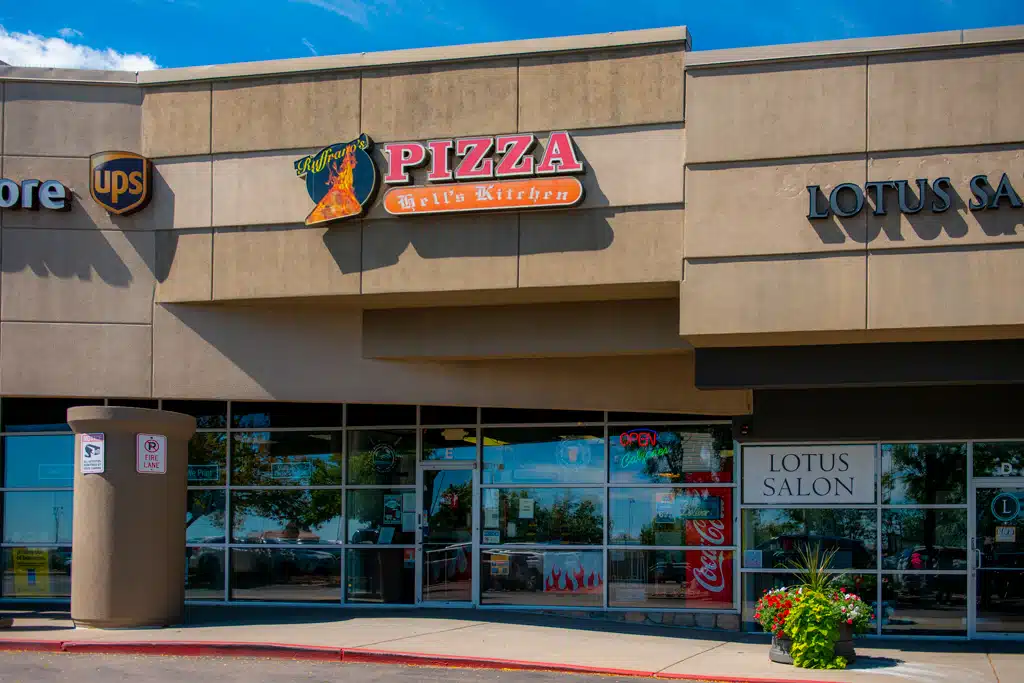
Ruffrano's Hell's Kitchen Pizza Cheyenne
Address: 1670 E Cheyenne Mountain Blvd, Colorado Springs, CO 80906
Phone number: +17195764355
FAQ About Pizza Place Cheyenne
What's the most popular pizza place?
The "most popular" pizza place depends on whether you measure by location count, total sales, or customer favorite status.
What is the 2 pizza rule?
The two-pizza rule is a management principle made popular by Amazon founder Jeff Bezos. It states that a team or meeting should never be larger than what can be fed with two large pizzas—typically translating to a group of 5 to 10 people (or roughly 6 to 12 people depending on appetites).
Is 2 pizzas enough for 10 people?
No, 2 pizzas are usually not enough for 10 people.